Comparing Table Interfaces Across Popular Poker Applications
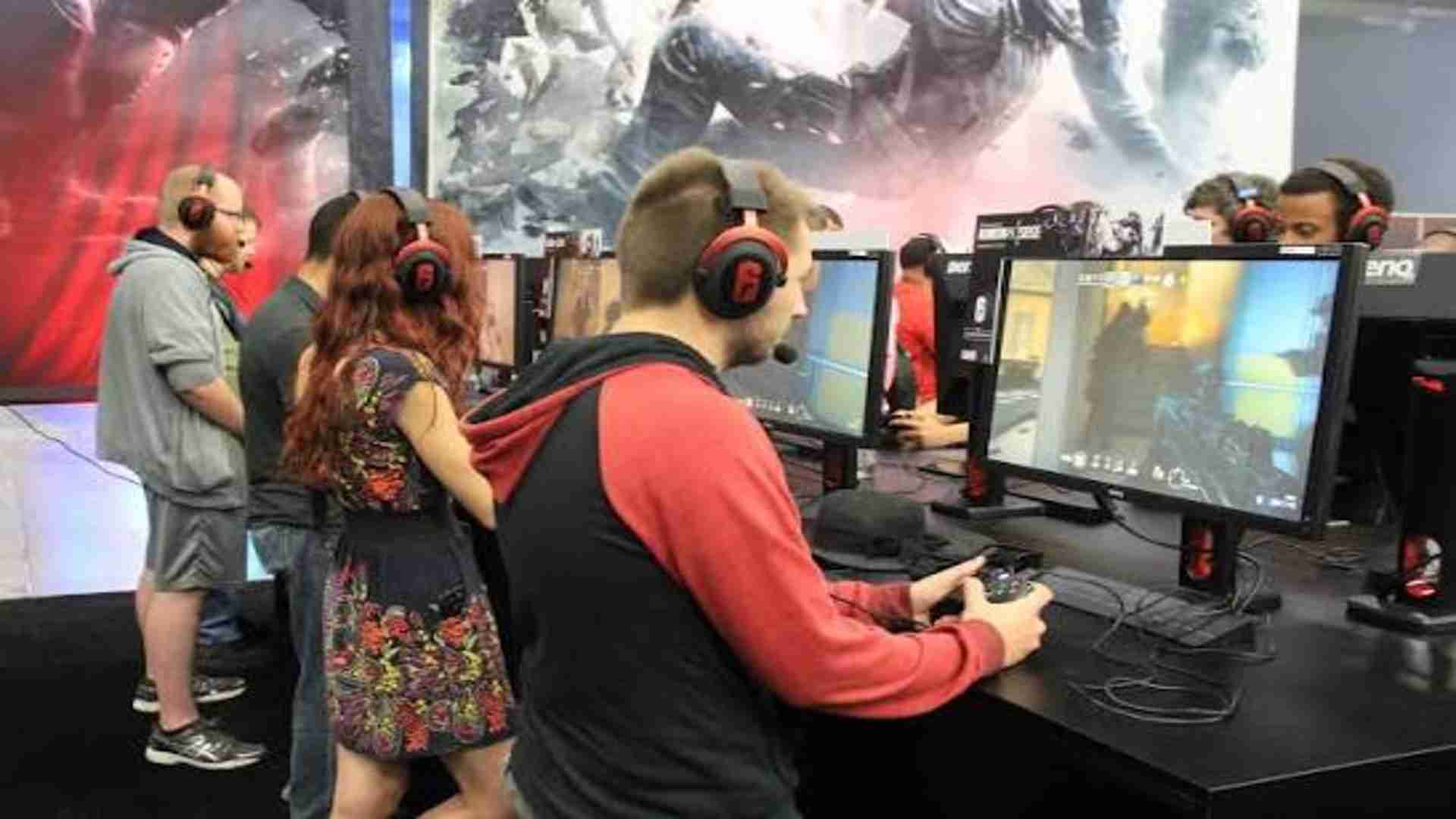
Selecting an ideal digital poker layout can significantly alter a player's focus and physical accuracy during competitive sessions. Online platforms develop distinct graphical table architectures to present live betting metrics, stack tracking, and player positioning. Understanding how these spatial interfaces vary from one major operator to another allows serious enthusiasts to align their software environments with their strategic habits.
Visual Ergonomics and Customization Options
Modern gaming software relies heavily on clean presentation to lower cognitive load and prevent accidental inputs during multi-table action. Top-tier providers offer modular layouts that allow users to change the virtual felt color, card backings, and standard seat viewing angles. These basic cosmetic variations serve a vital practical function by minimizing eye strain over long operational stretches.
Advanced platforms incorporate special accessibility toggles, such as a four-color deck structure and enlarged bet size indicators. Experienced grinders utilize these visual markers to calculate real-time hand mathematics across multiple monitors simultaneously. Finding a client build that provides consistent, uncorrupted graphics reduces technical friction when decisions require intense concentration.
Multi Table Functionality and Alignment Controls
Managing several high-stakes grids requires advanced table alignment controls built directly into the client framework. Software creators commonly include cascading or tiling options to give participants total command over their screen real estate. The efficiency of these layout formulas determines how smoothly a user can jump between active scenarios without losing crucial data.
For players using secondary screens, testing a reliable m88 link helps discover functional global platforms built for versatile multi-screen arrangements. Evaluating how a client handles pop-up notifications and automated table switching prevents unexpected gameplay disruptions during intense tournament phases. Consistent frame rates across all active windows remain mandatory for preserving mechanical timing.
Action Layout Buttons and Bet Sizing Bars
The operational responsiveness of action toggles represents a core pillar of user interface safety. Standardized layouts feature prominent fold, call, and raise zones positioned predictably near the lower portion of the digital table. Any sudden lag or irregular element shifting within these specific zones can result in costly strategic errors.
Furthermore, customizable betting sliders allow individuals to input precise blind multiples with a single click or keyboard hotkey shortcut. Premium software setups allow users to preset specific raise percentages for pre-flop open sequences and post-flop continuation wagers. This degree of functional automation helps maintain uniform bet pacing across different sessions.
System Reliability and Long Term Feature Stability
Behind every clean table presentation sits a robust engine that must process real-time card dealing and financial data exchanges securely. Development teams frequently update these gaming applications to maintain compatibility with new desktop operating systems and high-resolution monitors. Choosing an operator backed by persistent, transparent patches ensures ongoing table safety and minimizes connection timeouts.
Ultimately, isolating the minor differences in interface design helps distinguish specialized professional suites from generalized recreational spaces. Tracking your individual performance trends on various layouts will reveal which structural formats complement your personal processing speed. Balancing layout customization with steady technical performance builds a sustainable workspace for future strategic development.