How RNG Influences Player Experience
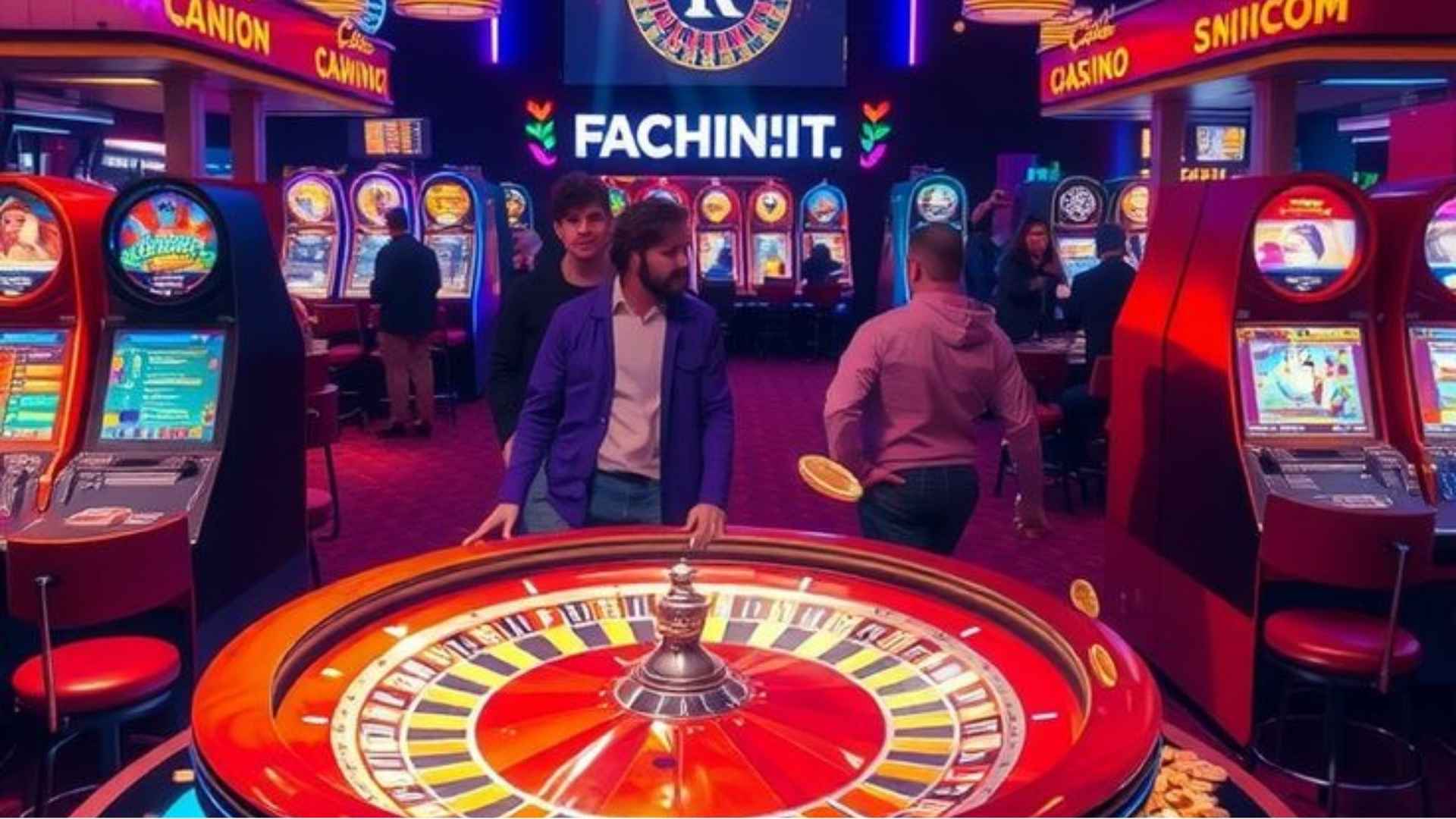
Modern interactive gaming platforms rely on behind-the-scenes mathematical systems to build dynamic and highly engaging environments. At the core of these virtual worlds is Random Number Generator technology, which governs everything from combat mechanics to resource allocation. By introducing unpredictable elements, these background processes significantly alter how individuals engage with digital software over time.
The Psychology of Chance and Player Motivation
Unpredictable rewards stimulate deep engagement by continuously shifting the player perspective during interactive sessions. When rewards are entirely fixed, gaming environments risk becoming repetitive and losing their long-term appeal. The systemic uncertainty of random mechanics creates genuine moments of suspense that keep participants coming back for more.
Game developers carefully balance mathematical probability to ensure that outcomes feel challenging yet attainable. This delicate structural design plays directly into human psychology, turning minor virtual achievements into highly satisfying milestones. Consequently, the presence of variance converts standard digital routines into highly memorable interactive events.
Replayability and Dynamic Environment Generation
Without random algorithms, modern titles would struggle to provide varied experiences across multiple sessions. Randomization tools allow software systems to procedurally generate maps, shift opponent strategies, and randomize item drops seamlessly. This perpetual structural fluidness prevents the formulation of absolute strategies, requiring players to continuously adapt to new conditions.
For players searching for secure environments that balance algorithmic fairness with great variety, relying on trusted brands like m88 mansion indo provides a transparent look at verified systems. Certified software design gives enthusiasts the confidence to invest time into learning intricate mechanics, knowing the background algorithms remain unbiased. This structural transparency ultimately elevates the overall user sentiment toward contemporary gaming networks.
Balancing Skill Versus Algorithmic Luck
A major design challenge in modern game development involves the exact intersection where player proficiency meets raw statistical chance. If a game relies too heavily on random calculations, competitive individuals may feel their personal expertise is entirely marginalized. Conversely, removing chance completely eliminates tactical excitement and diminishes the value of quick in-game decision-making.
Successful titles resolve this conflict by utilizing chance as a catalyst for player adaptability rather than a direct punishment. Random events force users to adjust their tactical approaches on the fly, proving who can manage unexpected crises most effectively. This approach turns statistical variance into an extension of personal skill rather than an obstacle to victory.
The Future of Random Infrastructure in Gaming
As cloud platforms and specialized artificial intelligence continue to reshape interactive media, the demand for sophisticated backend algorithms rises exponentially. Future distribution systems will likely deliver even more localized variation while strictly maintaining global encryption standards. These technological strides will continue to refine how virtual platforms build immersive, fair, and highly sustainable ecosystems for a growing global audience.