Poker Terminology For Competitive Card Games
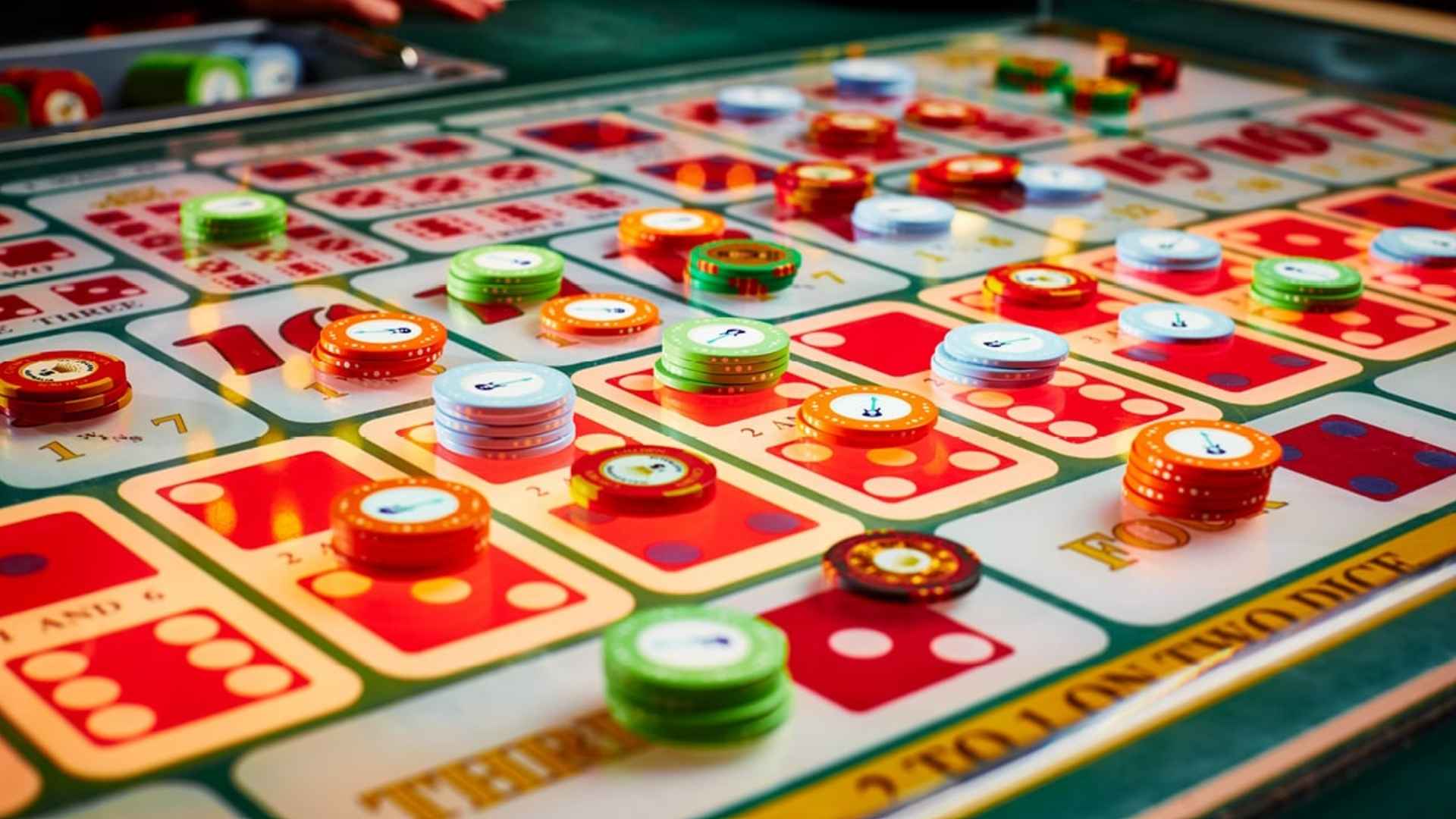
Entering the arena of competitive card games requires more than just a basic understanding of hand rankings. True mastery involves learning the specialized vocabulary that players use to communicate complex strategic decisions rapidly. This guide explores the essential poker terminology that can elevate your game and help you thrive in tournament settings.
The Core Mechanics of Betting Structure
In a tournament environment, understanding how the betting rounds progress is vital for survival. The terms check, bet, call, and raise form the foundation of every hand played on the table. Knowing exactly when to deploy these actions allows you to control the size of the pot and protect your chips.
Forced bets known as blinds establish the baseline incentive for every single round before any cards are dealt. Managing your chip stack relative to these escalating blinds is a core skillset that separates casual players from true tournament professionals. Understanding these table dynamics ensures you are never caught off guard during fast-paced competitive sessions.
Advanced Strategic Terms for Tournament Play
As competition intensifies, players often engage in multi-layered tactical maneuvers to outsmart their opponents. A three-bet refers to the first re-raise in a betting round, signaling extreme strength or a highly coordinated bluff. Recognizing how to respond to this aggressive move is crucial for defending your position effectively.
Many serious competitors utilize modern training platforms to refine their technical skills and understand modern card theories. Utilizing a reliable m88 mansion indo portal can provide valuable insights into tactical execution and table management. Mastering these concepts gives you a significant psychological edge when facing experienced opponents.
Psychology and Hand Analysis Terminology
The mental aspect of high-stakes tournaments introduces unique phrases that describe table behavior and emotional control. A player is said to be on tilt when a frustrating loss causes them to make reckless decisions based on anger rather than logic. Avoiding this psychological trap is essential for maintaining a steady performance over long sessions.
When an exceptionally strong hand is beaten by a highly improbable card on the final street, it is called a bad beat. While these moments can be painful, professional competitors view them as natural mathematical variance within the game. Learning to analyze these outcomes objectively helps preserve your mental stamina and improves long-term decision making.
Positional Awareness and Table Vocabulary
Your physical seat location relative to the dealer button dictates your tactical options for the entire hand. Acting in late position provides the advantage of seeing how your opponents react before you have to make a choice. Conversely, playing from early position requires tighter card selection because you lack vital informational context.
Understanding terms like under the gun and the cutoff will help you adapt your ranges to fit current table conditions. Combining positional awareness with precise vocabulary allows for seamless communication during intense strategy discussions. Implementing these insights consistently will transform your approach to competitive card games.